


 Home
Home
 About Us


 86 173 2728 8611


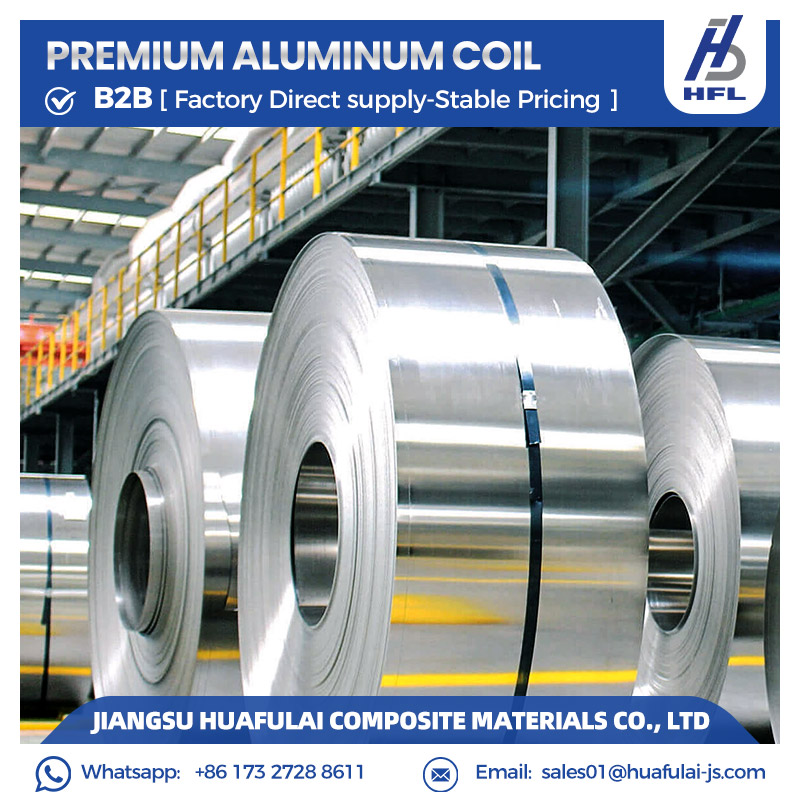
Characteristics and Wide Applications of Stainless Steel Coils
AddTimes:2026-03-31 Visits:1328
Core Characteristics of Stainless Steel Coils
The wide application of stainless steel coils is closely related to their outstanding comprehensive properties, determined by their chemical composition and processing technology. Key characteristics are as follows:
1. Excellent Corrosion Resistance
Their most prominent feature is strong corrosion resistance, from a chromium content of at least 10.5%. Chromium forms a dense chromium oxide (Cr₂O₃) passive film on the surface, isolating the metal from moisture, acids and salts. Different grades vary: 304 (0Cr18Ni9) resists nitric/organic acids for general environments; 316L (00Cr17Ni14Mo2) with molybdenum excels in chloride corrosion for marine/chemical use; 201, an economical type, suits non-humid environments. They also resist stress corrosion cracking in chloride conditions, fitting high-pressure, high-corrosion scenarios like chemical pipelines.
2. High Strength and Excellent Processability
Stainless steel coils have excellent mechanical properties and processability. Martensitic coils (410, 420) reach 500~1000 MPa tensile strength after heat treatment, ideal for tools and springs. Austenitic coils (304, 316) have stable high-temperature strength below 600℃ for high-temperature equipment. They are ductile, processable into plates, strips and pipes via cold/hot rolling, stamping and bending. Their good weldability facilitates assembly, and the coil form enables efficient storage, transportation and automated feeding, reducing waste and costs.
3. Excellent High and Low Temperature Resistance
They perform well in extreme temperatures. 304 coils work at around 870℃, suitable for furnace components; 310S resists up to 1200℃ for boiler combustion chambers. Austenitic coils (304L, 316L) maintain toughness at -196℃, widely used in LNG storage tanks and cryogenic pipelines.
4. Hygiene, Aesthetic Appeal and Long Service Life
Through cold rolling and polishing, they gain a mirror-smooth surface (Ra≤0.8μm), non-bacterial and non-adsorptive, meeting food/medical hygiene requirements. Surfaces can be processed into BA, 2B, 8K finishes for decoration. Under normal use, their service life exceeds 50 years (far longer than carbon steel’s 10~20 years), reducing maintenance costs. Additionally, stainless steel is recyclable, conforming to environmental sustainability.
Wide Applications of Stainless Steel Coils
Benefiting from excellent properties, stainless steel coils are widely used in industry, construction, daily life, medical care and other fields, supporting social and economic development.
1. Construction and Architecture Industry
They are used in building facades, roofing, elevator cabs, handrails and decorations. Their corrosion/weather resistance suits coastal/humid areas. 304 and 201 are common for decorations; 316 is used in coastal structures and marine engineering. They also fit water supply/drainage systems and structural reinforcements, ensuring building stability.
2. Household Appliances and Kitchenware Industry
They are essential for household appliances (refrigerator liners, washing machine casings, etc.) with 304 and 430 as common grades. In kitchenware, 304 coils produce pots, sinks and tableware, meeting FDA and GMP food contact standards, and are also suitable for food processing equipment.
3. Industrial Equipment and Chemical Industry
They are used in chemical equipment, heat exchangers, boilers and pipelines. 316L, resistant to acids, alkalis and chlorides, suits chemical, petroleum and fertilizer industries. They also fit environmental protection, printing and dyeing machinery, with ferritic 430 coils used in bearings and gears for wear resistance.
4. Automotive and Transportation Industry
In automotive manufacturing, they make exhaust systems, decorative trims and underbody components, with 304 and 409 as common grades. They also apply to ship, train and aircraft parts, adapting to harsh transportation environments.
5. Medical and Pharmaceutical Industry
316L and 304 coils meet strict medical hygiene and corrosion requirements, used in medical equipment, surgical instruments and pharmaceutical production equipment. Bright-annealed coils with seamless, clean surfaces suit high-hygiene medical products, complying with international standards.
6. Other Fields
They are also used in energy (nuclear power, solar water heaters), electronics (component casings) and aerospace (precision parts), as well as daily necessities like bolts, nuts and springs, integrating functionality and durability.
In conclusion, stainless steel coils, with excellent corrosion resistance, high strength, good processability and long service life, have penetrated all aspects of production and life. With industrial development, their types and applications will expand, contributing more to industrial progress and quality of life.
Previous:High-Performance Stainless Steel Coil, Sheet, Pipe & Bar – Empowering Global Industrial Growth in 2026
Next:no more